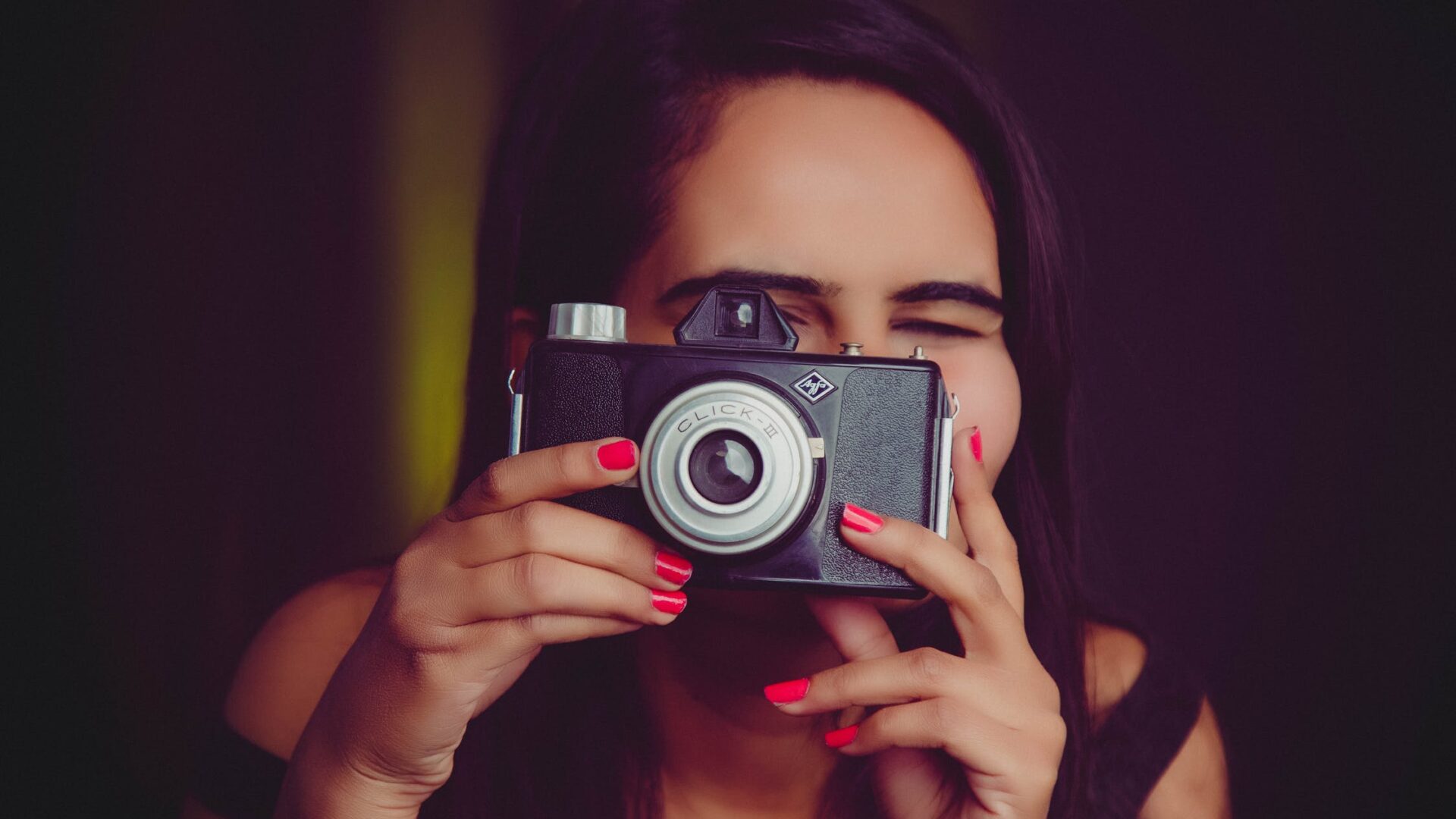
For years, people have argued about whether smartphones would eventually replace cameras. In 2026, that question is no longer very useful. Smartphones have already replaced cameras in many everyday situations. At the same time, dedicated cameras still hold clear advantages in specific types of photography where optics, sensor behavior, control, and reliability matter more than convenience.
The real issue today is not whether a smartphone is “good enough” in general. It is whether it is the right tool for a particular subject, lighting condition, and shooting goal. In some scenes, a modern phone performs so well that even experienced photographers can treat it as a serious creative tool. In others, the phone still depends too heavily on computational tricks, small sensors, and limited optics to match what a dedicated camera can do naturally.
Where smartphones are already genuinely competitive
The strongest area for mobile photography is everyday visual storytelling. Street details, travel moments, food, casual portraits, architecture in good light, and social-first content all fit the smartphone extremely well. This is not only because phone cameras have improved, but because the entire shooting process has become faster and more fluid. Framing, capturing, editing, and publishing now happen in one device without friction.
In bright or moderately lit scenes, smartphone image quality is often more than sufficient for online use, small-format printing, and editorial-style content. Modern phones handle dynamic range surprisingly well, especially in scenes with strong contrast such as windows, sunset streets, café interiors, or city reflections. Computational photography helps preserve highlight and shadow detail in ways that look impressive at first glance and highly usable in practice.
Travel photography is one of the clearest examples. A smartphone allows the photographer to move lightly, react quickly, and shoot without drawing attention. For urban walking, museum details, local food, signage, hotel interiors, and visual notes from a trip, the phone is now a serious tool rather than a compromise. In fact, its speed can make it better than a larger camera for spontaneous shooting.
Smartphones are especially strong in content-first photography
Another area where smartphones now compete well is content that is designed primarily for screens. Social media campaigns, blog visuals, behind-the-scenes material, brand diaries, product teasers, and lifestyle snippets often benefit more from speed and flexibility than from maximum image purity. A smartphone fits naturally into this workflow.
This is especially true for creators who need to shoot frequently and publish quickly. A phone makes it easy to test angles, record short clips, switch between photo and video, and make fast edits on location. In commercial terms, that matters. The best image is not always the one with the largest sensor. Often, it is the one that was captured, edited, and delivered while the moment still mattered.
Food photography for casual publishing is a good example. In soft window light, a smartphone can produce sharp, colorful, attractive images with very little effort. The same applies to everyday product photography for small brands, especially when the goal is e-commerce previews, Instagram posts, or mood-driven storytelling rather than high-end campaign work.
Portraits are better on phones – but only up to a point
Smartphone portraits have improved dramatically. In good light, modern phones can create clean, flattering portraits with appealing color and instant skin-friendly processing. For informal portraits, travel portraits, workplace content, and personal branding photos meant for online platforms, the difference between a phone and a camera is often much smaller than it used to be.
However, this is also where the illusion of equivalence becomes dangerous. Smartphone portrait modes are better than before, but they still simulate depth in ways that can break under pressure. Hair edges, glasses, hands, textured backgrounds, and overlapping elements can confuse the software. The result may look convincing on a small screen but artificial when examined closely.
A dedicated camera still renders depth more naturally. The separation between subject and background is created optically, not guessed by an algorithm. Skin texture, tonal transitions, and lens behavior also tend to feel more organic. So while phones compete well for quick portraits and digital-first usage, they still struggle when the goal is refined portraiture with believable depth and strong control over the visual character of the frame.
Where smartphones still lose clearly: low light with movement
Low light remains one of the clearest dividing lines. Phones can produce impressive night images when the subject is static and the software has time to combine frames. City lights, quiet streets, buildings at dusk, and interior scenes without movement often look much better than people expect.
But once movement enters the frame, the weakness becomes more obvious. A person walking, a musician performing in dim light, children indoors, or action in an evening environment can quickly expose the phone’s limits. The device may brighten the image, but often at the cost of motion artifacts, smeared textures, unstable detail, or over-processed shadows.
A dedicated camera with a larger sensor and a fast lens still handles these conditions more honestly and more reliably. It can freeze motion better, preserve cleaner detail, and produce usable files without relying so heavily on aggressive computational repair. This matters not only for image quality, but for consistency. A phone might save one frame. A camera is more likely to deliver many.
Sports, wildlife, and distant subjects still favor cameras
If the subject is far away, fast, or unpredictable, cameras remain ahead. Smartphones have improved through digital zoom, sensor cropping, and multi-lens systems, but they still cannot match the reach, responsiveness, and optical quality of a dedicated camera with the right lens.
Sports photography is the clearest example. Capturing decisive moments requires speed, tracking, and confidence in burst performance. Wildlife demands reach, patience, subject isolation, and dependable autofocus at distance. Concert photography often combines distance and poor light, which is especially difficult for phones. In all of these cases, the smartphone can document the scene, but it rarely controls it.
The same is true for any subject where the photographer needs to shape the frame from far away rather than simply record what is visible nearby. A dedicated camera gives the photographer physical options. A phone mostly gives approximations.
Professional control still matters
Another area where dedicated cameras remain stronger is intentional control. Smartphones are excellent at producing attractive results quickly, but they are designed to automate decisions. That is part of their appeal. Yet automation becomes a limitation when the photographer wants consistency across a series, subtle exposure decisions, repeatable lens behavior, or a specific rendering style that should not be overridden by software.
In product photography, studio work, editorial portrait sessions, and controlled commercial shoots, photographers often need this kind of precision. They want to manage light, lens choice, perspective, shutter behavior, and file flexibility with minimal interference. Smartphones can imitate some of that control, but they still do not offer the same level of predictability.
This becomes even more important in post-production. Dedicated cameras usually produce files with more flexibility for careful editing, especially when exposure conditions are difficult or the final output is high resolution. A smartphone may create a visually attractive image immediately, but that does not always mean it is the stronger file for deeper professional work.
The real answer is not replacement, but specialization
In 2026, the smartphone is no longer the “small emergency camera” it once was. It is a primary photographic tool for many genres and a fully valid choice for a huge share of visual communication. For travel, daily life, social-first publishing, spontaneous portraiture, food, design details, and lightweight brand content, it already competes seriously with dedicated cameras.
But that does not mean the gap has disappeared everywhere. When light is difficult, subjects move quickly, distances increase, or the photographer needs deeper control over optics and files, dedicated cameras still have a clear edge. They are not surviving only because of tradition. They remain better suited to specific kinds of visual problems.
The smartest photographers in 2026 are usually the ones who stop treating this as a battle. A smartphone is best when speed, access, invisibility, and immediate workflow matter most. A camera is best when optical control, responsiveness, and dependable image quality under pressure matter more. Knowing the difference is now more useful than arguing about which device “wins.”